
INDEPENDENT GOLF REVIEWS
Golf Simulator, Launch Monitor & Gear Reviews | XS Golf
Research-and-synthesis coverage of golf simulators, launch monitors, clubs and U.S. golf travel: manufacturer specifications cross-checked against published independent testing and owner reports. Unconfirmed figures are marked N/C.
WHY WE EXIST
Specs lie. Rooms break. We check.
XS Golf is an independent publication of golf simulator, launch monitor, club, and U.S. golf travel reviews. Coverage is research-and-synthesis: manufacturer specifications cross-checked against independent testing and owner reports. Unconfirmed specs are marked N/C. Marcus Webb is the editorial byline.
Most simulator regrets aren’t the launch monitor. They’re the room, the mat, and the carry number that never matched the first outdoor round. Measure 10-10-16 first. Price the whole stack. If a $3,000 unit loses to a $700 one, we say so.
Latest Reviews
View All Reviews →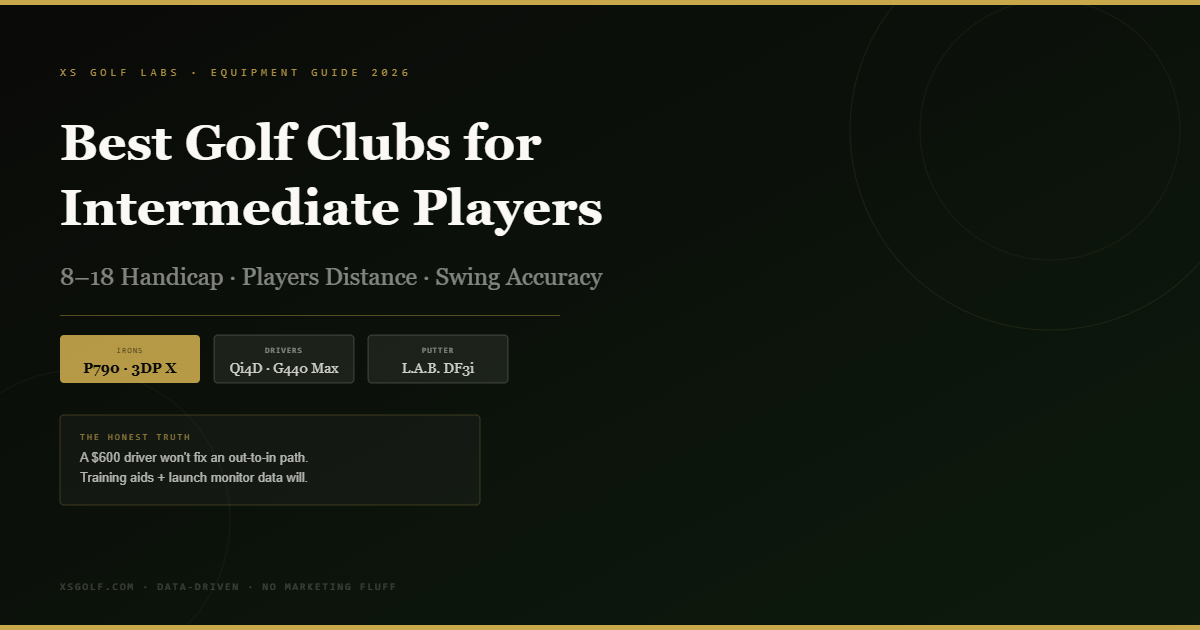
Clubs & Gear
Best Golf Clubs for Intermediate Players 2026
Drivers, irons, and putters compared on published third-party testing at mid-handicap swing speeds.

Golf Travel
Best US Golf Travel Destinations 2026
Tier-ranked destinations from championship resorts to hidden coastal gems across the U.S.
Simulator Reviews
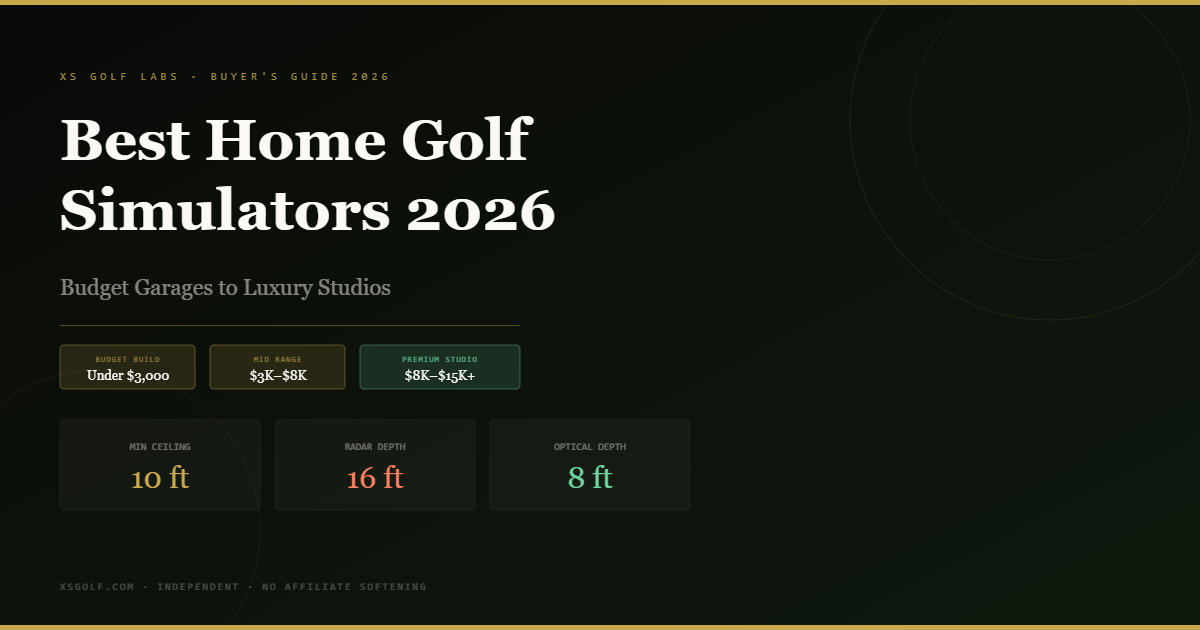
Best Home Golf Simulators 2026
Budget garage builds to luxury studios, with real cost breakdowns and component comparisons.
Launch Monitors
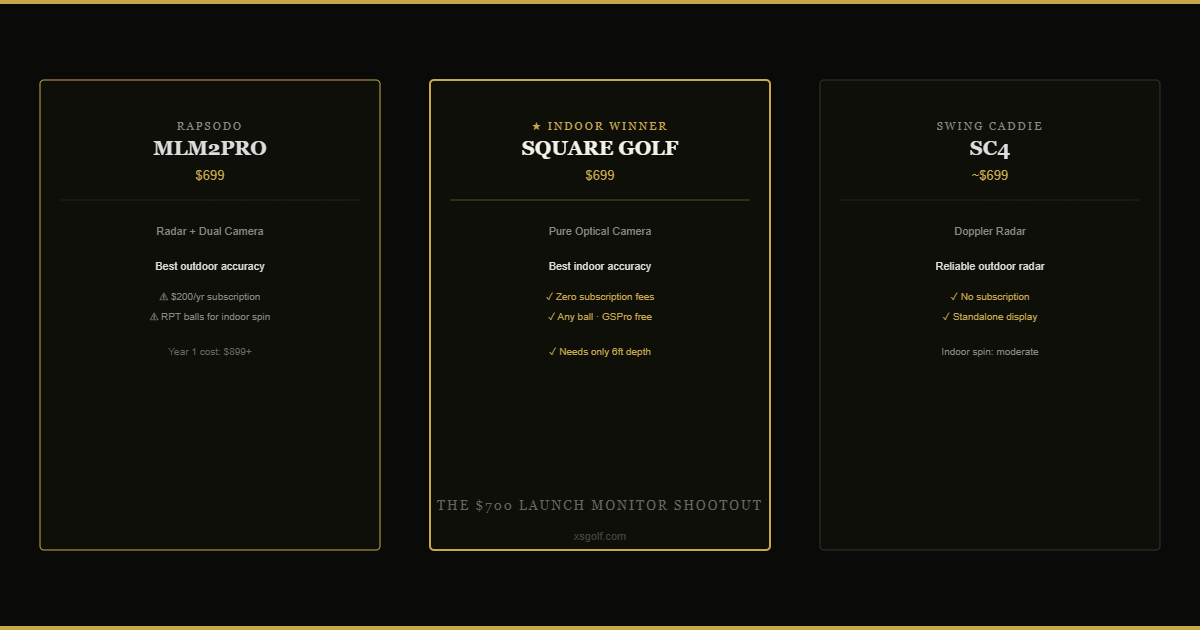
Rapsodo MLM2PRO vs. Square Golf vs. Swing Caddie SC4: $700 Shootout
Three launch monitors around $700 compared on technology, room depth, subscriptions and three-year cost.
Simulator Reviews
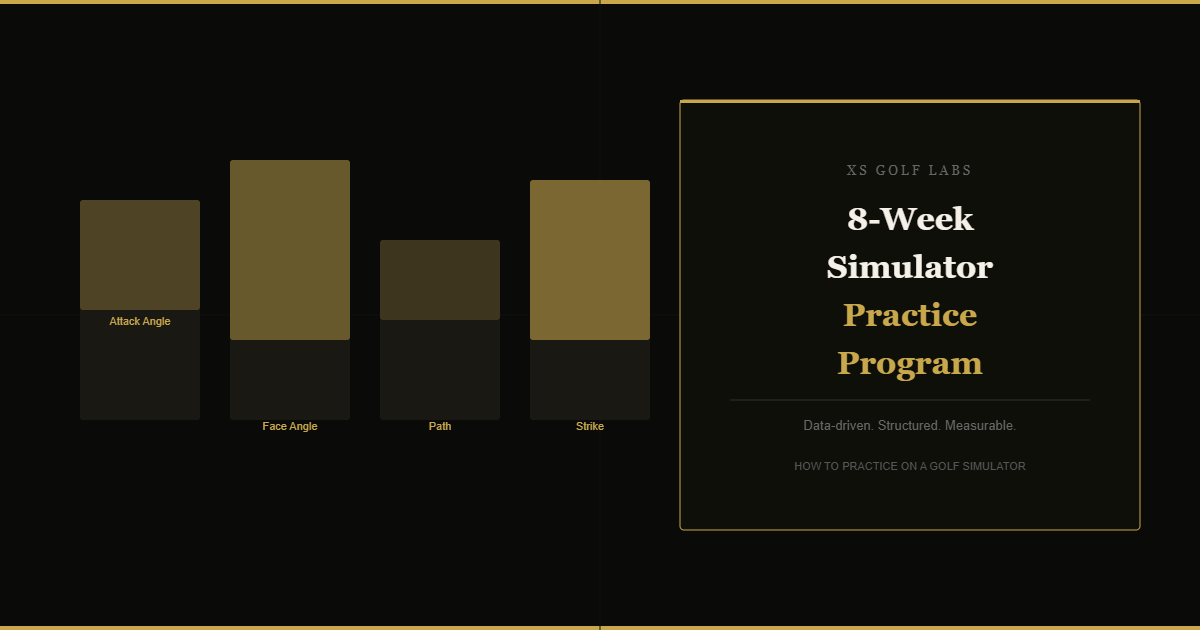
I Have a Golf Simulator — Now What?
An 8-week structured practice program with drills, routines, and measurable improvement goals.
Golf Travel
Myrtle Beach Golf Travel Guide 2026
Caledonia, True Blue, TPC Myrtle Beach and roughly 90 to 100 courses along the Grand Strand, with 2026 green fees.
BUYING GUIDE
Build a Golf Simulator for Under $5,000
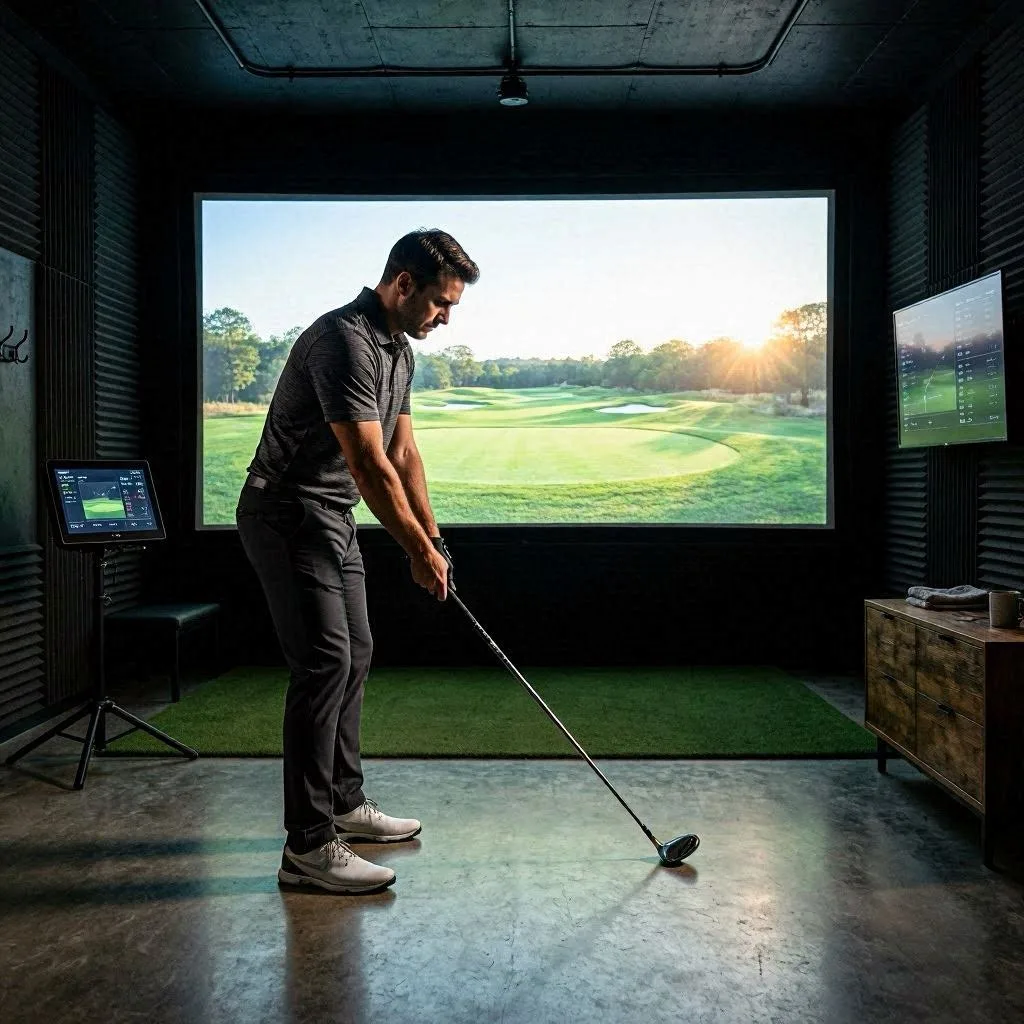
A complete garage build, priced component by component against manufacturer and authorized US dealer listings (October 2026). The total uses the SkyTrak ST MAX sale price; at list prices it is $5,932.89.
EQUIPMENT REVIEWS
Clubs Built for the 8–18 Handicap
Reviews focused on the intermediate golfer — where forgiveness meets feedback.
Best Golf Drivers 2026
Five drivers compared on manufacturer specifications and published third-party testing.
Best Golf Irons 2026
Cavity-back to players-distance irons compared for feel, accuracy, and workability.
Best Golf Putters 2026
Mallet vs blade, face-balanced vs toe-hang — matched to your stroke type.
COURSE GUIDES
Golf Travel Destinations
Best US Golf Travel Destinations 2026
Tier-ranked destinations from championship resorts to hidden coastal gems.
Myrtle Beach Golf Guide 2026
Caledonia, True Blue, TPC Myrtle Beach and roughly 90 to 100 Grand Strand courses.
Scottsdale & Arizona Golf
Desert golf at TPC Scottsdale and We-Ko-Pa, with January to April peak pricing.
Pinehurst and the Bucket-List Tier
Pinehurst No. 2, Bandon Dunes and Pebble Beach, with green fees by trip type.

STYLE GUIDE
Modern Golf Apparel
For today’s golfer, the lines between the course, the clubhouse, and the home simulator have blurred. Our apparel guide compares the brands below on fabric, fit and where each one works.
Frequently Asked Questions
Are you X-Golf?
No. XS Golf (xsgolf.com) is an independent review publication. We are not affiliated with the X-Golf indoor-golf venue franchise at playxgolf.com.
Are you a testing lab?
No. XS Golf is a research-and-synthesis publication. We do not operate a physical testing lab today. A first-party testing program is a 2027 commitment. Until then, unconfirmed specs are marked N/C.
How much does a home golf simulator cost?
A complete home golf simulator setup runs from about $2,500 at entry level to $15,000 or more for club-fitting-grade builds. Our $5,000 garage build comes to $4,632.89 at the SkyTrak ST MAX sale price, or $5,932.89 at list prices.
What launch monitor should I buy for under $1,000?
In the sub-$1,000 range, the Rapsodo MLM2PRO ($699.99), Square Golf ($699) and Swing Caddie SC4 Pro ($599.99) are three of the main options. Our $700 launch monitor comparison sets out their technology, room depth, simulator software and three-year cost, drawing on manufacturer specifications, published third-party testing and aggregated owner reports.
Are your reviews independent?
Yes. XS Golf is independently operated. XS Golf may earn a commission when you purchase through links on this site, at no additional cost to you. Affiliate relationships do not influence our scores, rankings, or recommendations. We never accept payment for review scores or editorial placement.
What handicap level are your reviews aimed at?
Most of our gear coverage targets the 8–18 handicap range — the intermediate golfer who needs equipment that balances forgiveness with feedback. Our travel guides and simulator content are relevant to all skill levels.
How often do you update your reviews?
We update pricing and availability regularly. Full re-reviews happen when manufacturers release significant updates or when new competitive products enter a category. Every review displays its last-updated date.
Can I suggest a product or course for review?
Use our contact form to suggest products, courses, or destinations. We prioritize requests based on reader interest and category gaps in our existing coverage.